.png)
Teething can be one of the most challenging milestones in early childhood. As those first teeth start to make their appearance, it’s common for babies to experience sore gums, extra fussiness, and disrupted sleep. At Just 4 kiDDS, we’ve walked alongside countless families through this phase, offering guidance, reassurance, and professional support. Teething is a normal process, but that doesn’t mean it has to be overwhelming.
Our goal is to help parents in Idaho Falls feel equipped and supported from the very first tooth. We offer expert care tailored to babies and toddlers, starting with early assessments and continuing preventive services that grow with your child. Whether you're brand new to pediatric dental care or looking for a provider who understands your family’s needs, become our patient and let us help set your child up for a lifetime of healthy smiles.
What Every Idaho Falls Parent Should Know About Teething
Every child is different, but there are some telltale signs that let us know teething is underway. Recognizing these early cues can help parents understand what their baby is going through and take the right steps to ease discomfort.
Some common teething symptoms include:
- Swollen, tender, or red gums
- Excessive drooling
- A strong urge to chew or bite on objects
- Fussiness or irritability
- Disrupted sleep or feeding routines
It’s important to note that teething can start as early as four months, though most babies get their first tooth around six months. If you’re unsure whether a symptom is teething-related or something else, our team is always here to evaluate and guide you with clarity and care.
.png)
What Causes Teething Discomfort?
Teething discomfort stems from the pressure and inflammation caused as new teeth push through the gum line. This can create a range of sensations for babies—from mild irritation to more persistent pain. Babies can’t verbalize what they’re feeling, so they often communicate through behaviors like crying, gnawing on hands or toys, and becoming clingier than usual.
Because their immune systems are still developing, many babies also experience a slight increase in body temperature. However, teething should never cause a high fever, rash, or diarrhea. If those symptoms are present, it’s best to consult your pediatrician or speak with us during a cleanings & exams appointment.
Safe, Dentist-Approved Soothing Techniques
Our team focuses on comfort, safety, and evidence-based care when recommending teething relief strategies. There are plenty of products on the market, but not all are created equal. Some over-the-counter teething gels or tablets contain ingredients we don’t recommend due to potential health risks.
Here are a few safe options we do support:
- Cold Washcloth: Clean, damp, and chilled washcloths can be chewed for comfort.
- Silicone Teething Rings: Look for BPA-free, solid (not liquid-filled) teethers.
- Gum Massage: Gently rubbing a baby’s gums with a clean finger can ease pressure.
- Chilled (not frozen) Spoons: A simple metal spoon cooled in the fridge can help.
When used under supervision, these techniques are gentle and effective. If you’re unsure what’s best for your baby, we’re happy to provide recommendations during your visit.
Why Early Dental Visits Matter
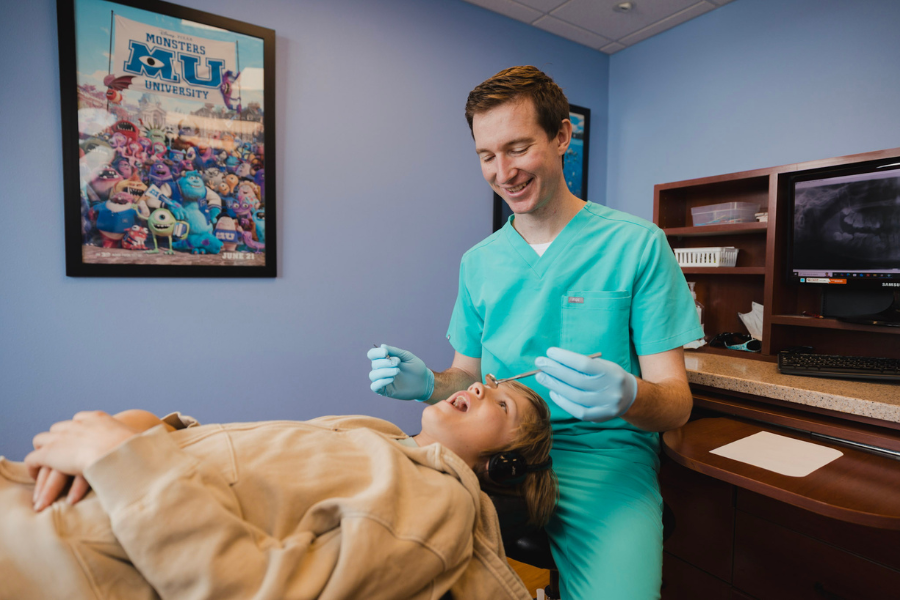
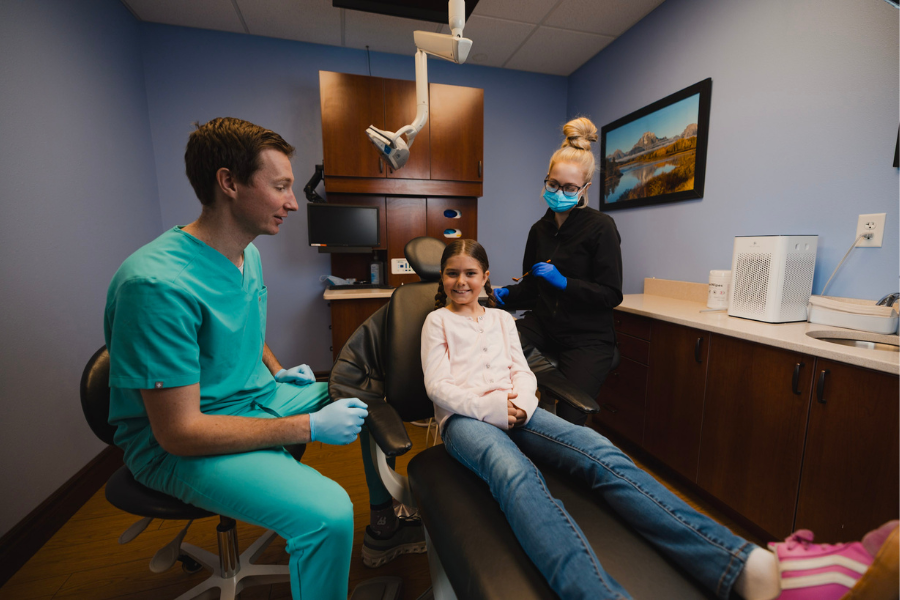
We recommend scheduling your child’s first dental visit by their first birthday or within six months of their first tooth erupting. That might sound early, but it sets the foundation for proactive, preventive care and gives you peace of mind as a parent.
At that first appointment, we:
- Examine your child’s mouth and gum development
- Discuss teething progress and what to expect next
- Offer tips for oral hygiene routines
- Answer any questions about pacifiers, thumb-sucking, or feeding habits
These early check-ins allow us to build trust and comfort with your child, so future visits feel familiar and stress-free. They also allow us to begin monitoring your child for potential concerns like early decay, bite alignment, or spacing issues that could require space maintainers down the road.
Supporting Oral Health Through the Teething Stage
Even before the first tooth appears, gum care matters. Teething is a great time to start getting your baby used to oral hygiene, which can be as simple as wiping their gums with a soft, damp cloth after feedings. Once teeth erupt, use a small, soft-bristled toothbrush and a tiny smear of fluoride toothpaste (about the size of a grain of rice).
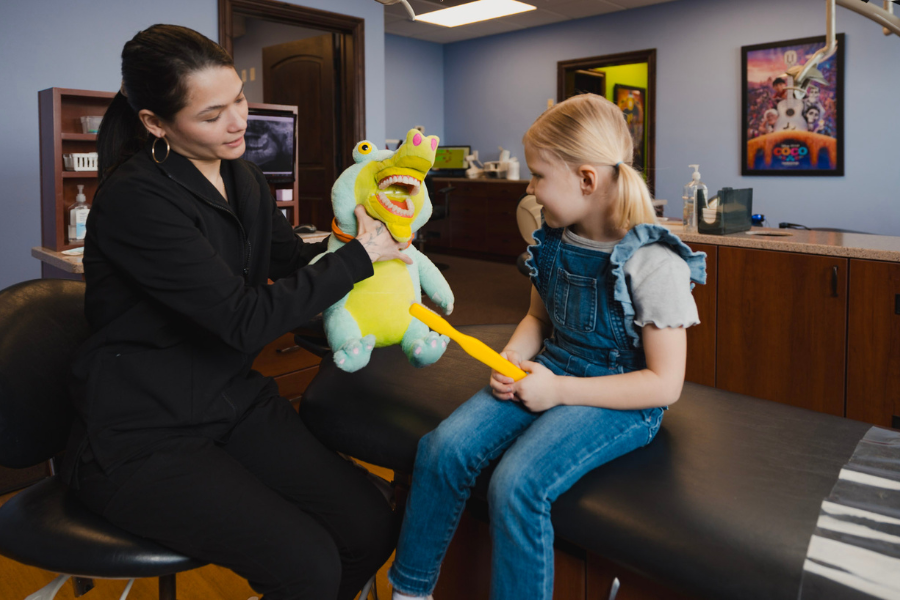
Our team emphasizes routine, education, and fun when it comes to home care. We show parents the right brushing techniques, explain how often to clean, and even share age-appropriate tips for getting toddlers excited about taking care of their teeth.
If early signs of decay develop, we offer gentle solutions like dental fillings & cavities treatment or protective sealants to keep baby teeth strong and functional. Baby teeth play a crucial role in speech development, nutrition, and guiding permanent teeth into place.
What to Avoid When Soothing Teething Pain
We know it’s tempting to try whatever promises quick relief, but some popular teething remedies can actually do more harm than good. Here are a few things we recommend avoiding:
- Topical gels with benzocaine: These can numb the throat and are not safe for infants.
- Amber teething necklaces: These pose a choking and strangulation risk.
- Frozen items: Ice-cold objects can be too harsh on sensitive gums and cause injury.
- Sugary teething biscuits: These may soothe, but they also increase cavity risk.
If you're ever unsure about a teething product or technique, reach out to our team. We're happy to talk through what's safe and what might be better left on the shelf.
How Long Does Teething Last?
Teething happens in stages, usually starting around six months and continuing until about age three. The front teeth tend to appear first, followed by molars and canines. There are breaks between each stage, and not every child will react the same way.
Some children breeze through teething with hardly a fuss, while others experience more discomfort. If your child seems particularly sensitive or the process drags on without progress, we can assess the situation and help you plan next steps. Our team is here to ease the stress, answer your questions, and ensure that everything is progressing as expected.
If any issues arise unexpectedly—like bleeding gums, unusual swelling, or trauma to a developing tooth—emergency appointments are available to help.

Building a Dental Home That Grows With Your Child
Teething is just the beginning of your child’s dental journey. At Just 4 kiDDS, we provide a full range of pediatric services that support oral health from the first tooth to the teen years. As your child grows, their dental needs change—and our approach evolves right alongside them.
Whether it’s preventive treatments like cleanings & exams, restorative care such as dental crowns, or advanced procedures like root canals & pulpotomies, we tailor every visit to your child’s age, development, and comfort level. We even offer sedation dentistry for patients who may need additional support.
Our office makes things easier for parents, too. We accept a wide range of insurance accepted plans and offer flexible specials & coupons to keep care affordable.
Let’s Tackle Teething Together
Teething can be tough, but you don’t have to handle it alone. Our team is here to offer expert care, reassurance, and strategies that make a real difference. We understand what your child is going through and what you need to feel confident about their dental health.
If your baby is showing signs of teething or you’re ready to schedule their first visit, we’re ready to help. Contact us to schedule a consultation and let’s build a healthy foundation for your child’s smile, right from the start.
Related Questions
When should my baby start seeing a dentist?
We recommend a first visit by age one or within six months of the first tooth appearing.
Is it normal for my baby to drool constantly while teething?
Yes, increased drooling is a common sign. Keep their face dry to avoid irritation.
What kind of toothbrush should I use for a baby?
Choose a small, soft-bristled brush designed for infants and use fluoride toothpaste the size of a grain of rice.
How do I know if teething is causing a fever?
Teething may raise temperature slightly but shouldn’t cause a true fever. Contact your pediatrician if your baby has a high temperature.